Writing Wins: Politics

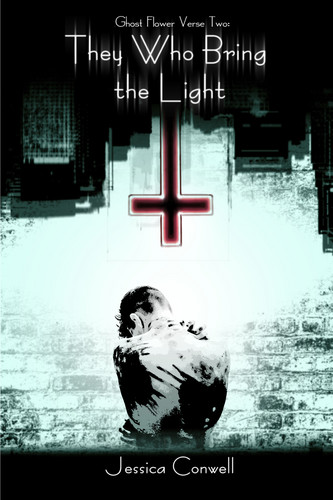
Cover of They Who Bring the Light, by Jessica Conwell. Features and upside-down cross and a person holding themself.

Ugh. I knew I’d have to cover this topic at some point. Bring on the anti-politics-in-novels comments, I guess. Still, I am so excited to be featuring They Who Bring the Light by Jessica Conwell. Jessica, who I have the pleasure of knowing as Abra outside of her book covers, has written a stellar story where politics isn’t only present, but central to the entire plot. And she’s done it in a way that makes you want to keep reading. How? Hopefully, I’ll be up to the task of figuring that out.

First, come housecleaning. I will be spoiling this book, and most likely it’s predecessor, here so if that’s important to you, read it first. Always.

You can find They Who Bring the Light here.

Or, check out Abra’s Linktree to find more cool stuff.

Continue reading “Writing Wins: Politics”
Writing Wins: A Protagonist’s Flaws

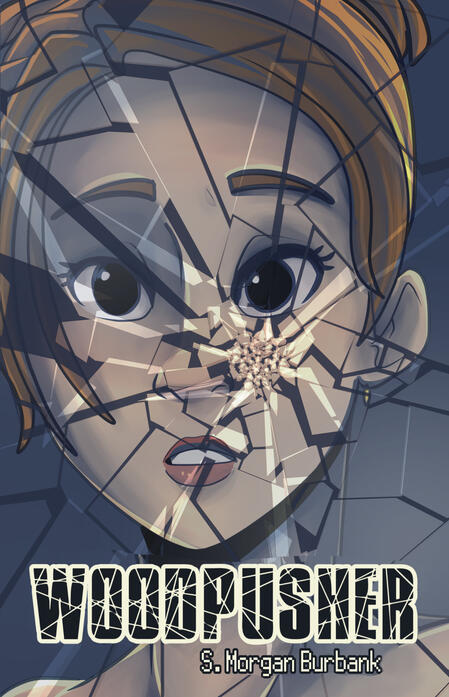
Here on the inaugural article for the Writing Wins series, I’m talking about how a protagonist having flaws is a good thing, even if those flaws are unpleasant or even something you might consider unforgivable. The book for this is: Woodpusher by S. Morgan Burbank. I recommend buying and reading the book before reading this. Maybe even buying the first book in the series, Kotov Syndrome. There will be spoilers after the break, and they’ll be unmarked, so if you care about such things, save this now and go get the book. I’ll still be here when you get back, I promise.

Click here to buy Woodpusher.

Or click here to find their website.

Continue reading “Writing Wins: A Protagonist’s Flaws”

New Series: Writing Wins

Back in the days before Twitter’s fall, I used to do a series of threads where I’d pick out something I thought a book I had just finished (usually an indie book, but not always) had done really well and expand on it. They rarely got much engagement, but I always learned something and the authors seemed to like them. The actual subjects could be almost anything, from writing visceral, disturbing descriptions, to the ability to let your scenes breathe without losing control of the story. If you happen to follow @modernauthors, they still exist.

After leaving Twitter for greener pastures, I debated whether to do those threads again. After all, it’s not exactly easy to move those to a different platform and, if Twitter has shown us anything, social media platforms are still very fragile in the modern world. Ultimately, I’ve decided I like them too much to let them die so here I am, writing new ones. Instead of writing Bluesky threads, or Tumblr posts, however, their new home will be here. I do realize that I’m still at the mercy of a social media company, WordPress, but posts here are much easier to find and copy to somewhere else if this ship sinks too. As of right now, I do not have plans to move the old threads over here, but who knows what the future will bring.

Expect the first post of what I hope to be many tomorrow. You can also find the collection page for the series here.

The Harrowing Head-Hop

Awhile ago, I said I’d do both an article and a Twitter thread on what I called pseudo-omniscient perspective, also known as; head-hopping. This is half of that promise fulfilled.

First, let’s define what pseudo-omniscient is, and is not.

Point of View

There are three main points of views, or POVs that everything, including pseudo-omniscient, fall under.

  • First Person: the narrator is a character within the story, typically the protagonist. This provides a sense of immediacy, but limits what you can show since the reader can only see what the character sees.
  • Second Person: the protagonist is you, the reader. If done well, can provide a greater sense of immersion. Great for shorter works, hard to sustain for longer ones.
  • Third Person: most common POV type. The narrator doesn’t exist in the story and the protagonist is a normal character. Can be tailored to be as close or as distant as you want it to be.

Pseudo-omniscient falls squarely within the Third Person category.

Most books written in third person fall in one of two categories: close-third and omniscient. Think of pseudo-omniscient as being between those two. At the risk of veering off-topic, I’d like to talk about both of those types so we can see what pseudo-omniscient really is.

Continue reading “The Harrowing Head-Hop”

Excerpt from ASH

I think I’m going to do something a little different today. Currently, I’m in the final phases of editing for my soon-to-be released horror book, ASH. So, I thought I’d post a freshly edited excerpt here, see what y’all think. Continue reading “Excerpt from ASH”

The Road to Self Publishing- The Hardest Writing

hardest-writing

So, I’ve sent off copies of my work to beta-readers (in multiple formats, need to be accommodating to the people who are helping me). So, now it’s time to sit around, twiddling my thumbs (or doing my day job) and wait for them to send it back, right? Ha. Ha. No. Remember that list from the last article? If not, go back and refresh your memory. As you can see, there’s no shortage of things that need to be done, and some (many?) can be done as you’re waiting for beta-reading to be done. Today, we’re going to look at a small piece of the marketing puzzle- the back of the book blurb. Continue reading “The Road to Self Publishing- The Hardest Writing”

The Road to Self Publishing- The Afterdraft

afterdraft-banner

As always, if this is the first Road to Self Publishing post you’ve read, check out the master post here. It’ll take you through the whole series.

So, you’ve written and re-written your book several times now. You’ve gone over it with a fine-toothed comb. It’s as close to perfect as you can make it. The works over, right? No. Like every other blogger who’s gone through the self-publishing gauntlet, I’ve discovered that there is so much to do after I’ve hit my final draft. The things I have left, in no particular order are:

  • Have my final draft beta-read
  • Have at least one copy edit done
  • Get my cover up to par (more on that in a later post)
  • Choose publishing packages/vendors
  • Figure out how to market this thing

Continue reading “The Road to Self Publishing- The Afterdraft”

The Sacred Character

So, I was reading an excellent thread on Twitter about fandom’s tendency to over-analyze works, and it got me thinking about how people think about characters as real people who just happen to be in fictional books. The thread I’m talking about is below, give it a read, it’s good. Or, go directly to the thread here.

Continue reading “The Sacred Character”

The Road to Self Publishing- What’s a Revision Anyway?

wara-banner

I haven’t done one of these in awhile, (WordPress says two years? Yikes.) but it’s time for the next installment of The Road to Self Publishing, the series where I pretend to know what I’m talking about while going on my own journey to being a (hopefully selling) self-published author. If you haven’t read the previous entry, First Draft Done, Now What?, you can find it here, or you can find the master post here. As I said before, the master post will contain links to all other Road to Self Publishing posts, so if you’re not reading this one close to the post date, I’d check out that one.

Continue reading “The Road to Self Publishing- What’s a Revision Anyway?”

December One

NaNo-2017-Winner-Twitter-Header

It’s December! You know what that means? That’s right, it means:

The end of NaNoWriMo!

I’m proud to announce that I won it this year. How about you? Did you win? If not, how many words did you get?

Or maybe you didn’t participate in NaNoWriMo, so the beginning of December just means the dreaded holiday season. In that case, happy holidays!

With NaNo being over, I’ve now got more time to post here, so expect something within the next few days. Well, that’s all for today. See you on the next thing I post, and, whether you do NaNo or not, keep writing.